top of page

All Posts

Mary Magdalene: Was She the Wealthy Woman Behind Jesus' Ministry?
Discover Mary Magdalene's hometown of Magdala, its first-century synagogue, prosperous fishing industry, and the biblical evidence that she helped finance Jesus' ministry.

Fig Tree Ministries
11 minutes ago1 min read
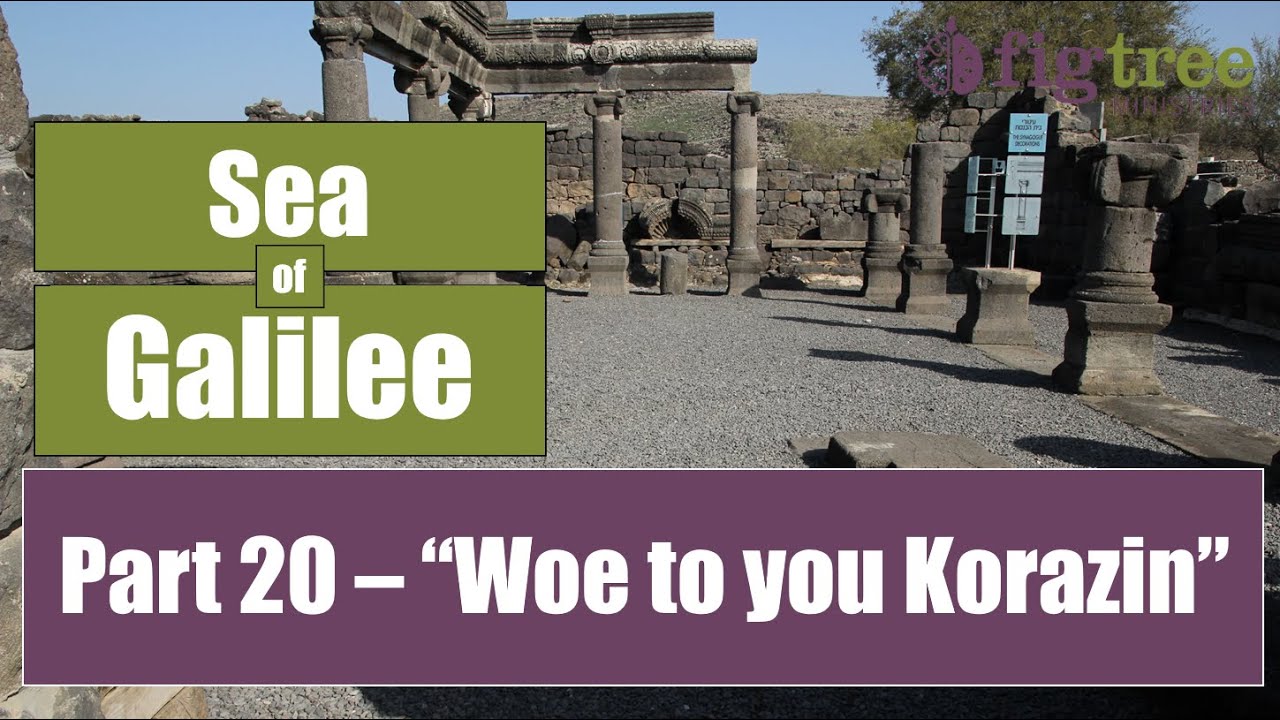
Jesus' Warning to Christians
Explore Jesus' warning to Chorazin, Bethsaida, and Capernaum in Matthew 11:20–24 and discover the Hebrew meaning of repentance as a lifelong return to God's path.
Fig Tree Ministries
21 minutes ago2 min read
Jesus Walks on Water – Part 2:
Discover the deeper meaning of Peter walking on water in Matthew 14. Explore how Jesus calls us to overcome fear, confront chaos, and walk in faith.
Fig Tree Ministries
38 minutes ago2 min read

Jesus Walks on Water – Part 1
Explore the ancient Near Eastern symbolism of Jesus walking on water in Mark's Gospel. Discover how Jesus conquers the chaos and reveals divine authority.
Fig Tree Ministries
51 minutes ago1 min read
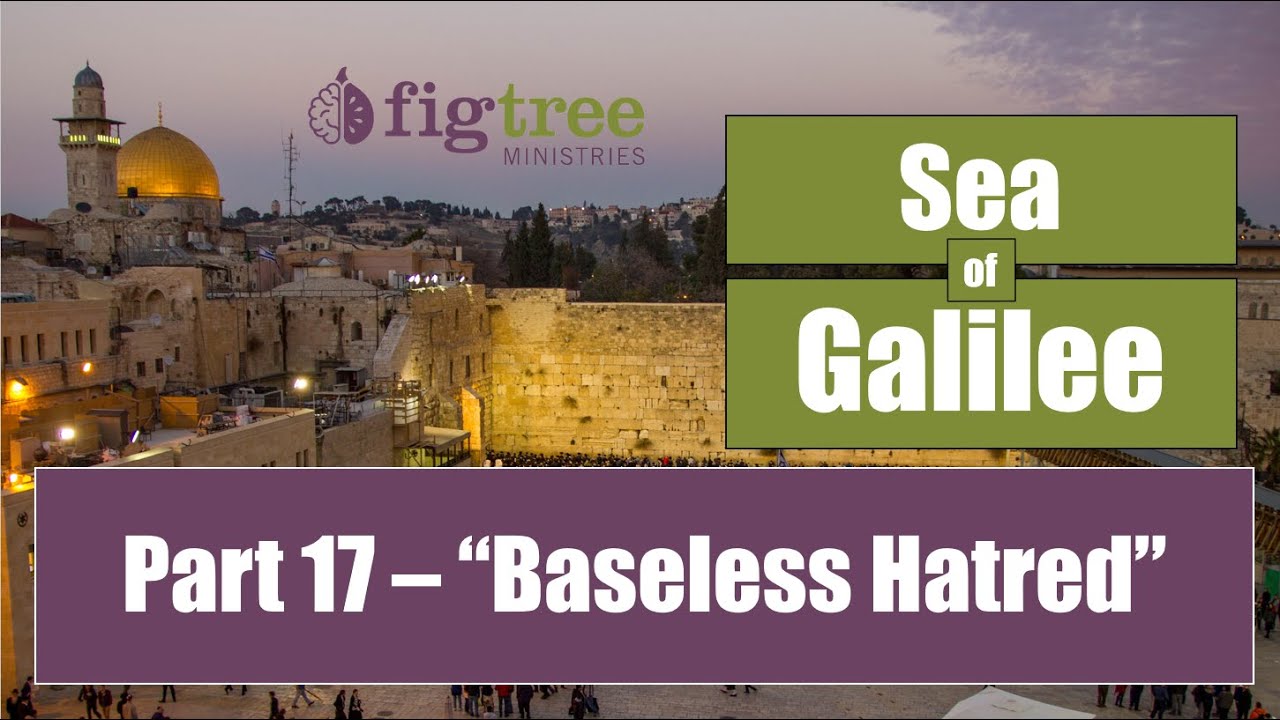
The Zealots – Part 4:
Discover how the Zealots, the Jewish revolt, and baseless hatred contributed to Jerusalem's destruction in AD 70—and how Jesus taught a different way.
Fig Tree Ministries
1 hour ago2 min read

The Zealots Part 3:
Explore how the Zealot movement influenced Jesus' disciples, from Peter's violence to Judas Iscariot's betrayal, and how Jesus transformed their zeal into love.
Fig Tree Ministries
1 hour ago1 min read

The Zealots Part 2:
Explore the Zealot revolts in Galilee, Herod the Great's persecution, and the political tensions between Gamla, Tiberias, and Sepphoris during Jesus' lifetime.
Fig Tree Ministries
2 hours ago1 min read

Who Were the Zealots?
Discover the Zealot movement in first-century Israel, its connection to Gamla, and how revolutionary expectations influenced Jesus, His disciples, and the Gospels.
Fig Tree Ministries
2 hours ago1 min read

Why Did Jesus Feed 5,000 and 4,000? The Hidden Meaning of the Numbers
Explore the numerical symbolism behind Jesus feeding the 5,000 and 4,000 in Mark's Gospel and discover how the miracles point to Jews and Gentiles.
Fig Tree Ministries
2 hours ago2 min read

Feeding of 5000 & 4000
This week, we begin a two-part mini-series on Jesus' feeding miracles—the Feeding of the 5000 (Mark 6:30-44) and the Feeding of the 4000 (Mark 8:1-9).
Fig Tree Ministries
2 hours ago1 min read

276 Souls Saved: The Hidden Meaning of Acts 27
Discover the hidden meaning of 276 souls in Acts 27, Paul's shipwreck, triangular numbers, and the biblical symbolism of hope as an anchor for the soul.
Fig Tree Ministries
5 hours ago2 min read

153 Fish & Ezekiel 47:10
In this video, we dig deeper into the number 153 from John 21:11 and how it connects to two words in Ezekiel 47:10 - Gedi and Eglaim.
Fig Tree Ministries
5 hours ago1 min read
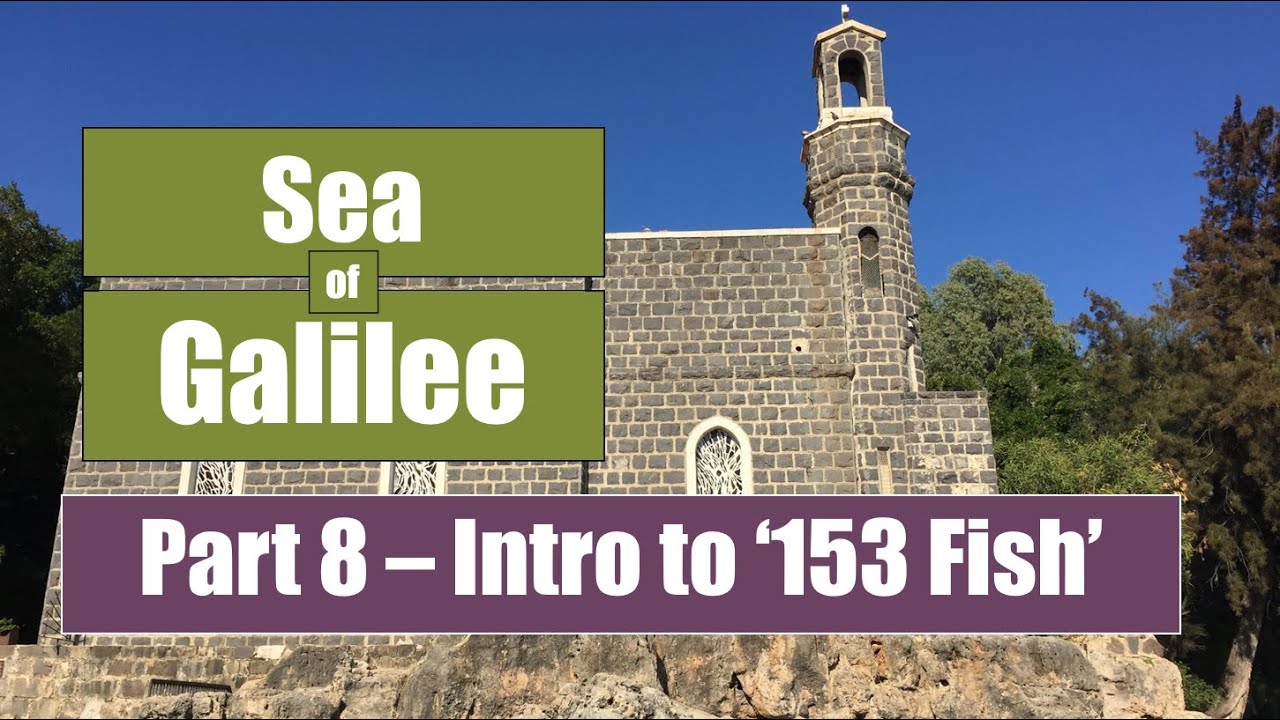
Fishing & the 153 Fish
Sea of Galilee (pt. 8 of 21) In today's video, we explore fishing on the Sea of Galilee. In John 21, there is a miraculous catch of fish at Tabgha, where seven warm-water springs run into the lake. The warm water attracts Tilapia during the winter and early spring months. The Gospel of John includes a minor detail about this miraculous catch of "large" fish. John tells us there were "153 fish." Why include this detail? What is the significance of the number 153? Join us as we
Fig Tree Ministries
5 hours ago1 min read
Crossing the Jordan
Sea of Galilee (pt. 7 of 21) Why did God lead Joshua and the Israelites (Joshua 3) east of the Dead Sea, causing them to cross the Jordan River when it was at flood stage? Why not lead them directly north along the well-worn highways of their day? In this video, we explore this question and the lesson it reveals. Lesson Handout:
Fig Tree Ministries
5 hours ago1 min read
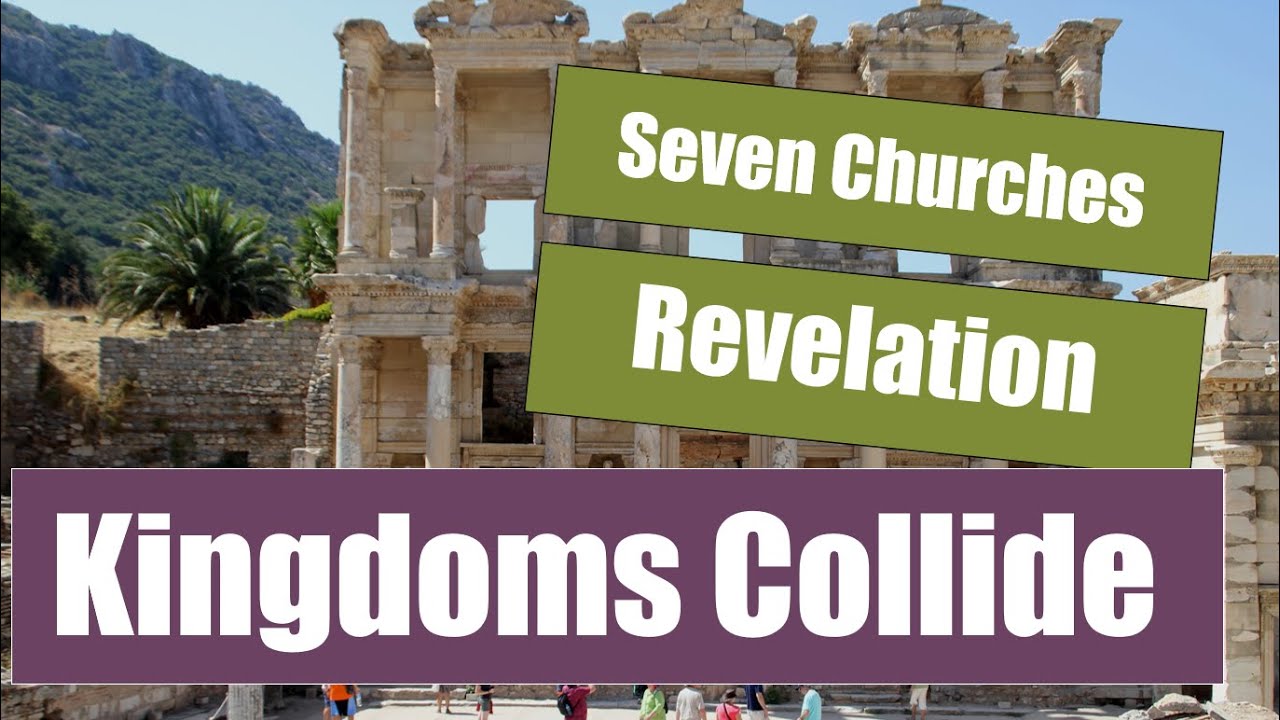
Seven Churches of Revelation
Introduction (pt. 1 of 16) John writes his Revelation to seven churches in Asia Minor (modern-day Turkey). In this series of videos, we explore these Seven Churches from their historical/cultural context. Today's video is an introduction to the cities, how we "read" the book of Revelation, and an example of how John weaves the text of the Old Testament into the context of the cities to which he writes. Resources: The Letters to the Seven Churches in Asia - William Ramsay The
Fig Tree Ministries
23 hours ago1 min read


Fig Tree Ministries
1 day ago0 min read


The Hebrew Alphabet:
Letters, Numbers, and Hidden Meaning One of the fascinating aspects of the Hebrew language is that its alphabet is much more than a collection of letters used to form words. In Jewish tradition, the Hebrew alphabet is a dynamic system in which letters, numbers, and symbolic meanings intersect, opening the door to multiple layers of interpretation. Unlike English, which uses separate symbols for letters and numbers, Hebrew letters also serve as numerals. The first letter, Alep
Fig Tree Ministries
1 day ago2 min read
The Triennial Torah Cycle
A Hidden Key to the Gospel of John (pt. 37) Lesson Handout: What if some of the details in the Gospel of John were designed to remind its original audience of the Scriptures they had recently heard read in the synagogue? Today, Jewish communities read through the Torah on an annual cycle, beginning each year again in the seventh month of Tishri. But during the first century, Jewish communities in the land of Israel followed a Triennial Torah Reading Cycle, reading through the
Fig Tree Ministries
4 days ago2 min read


Living Water: The True Meaning of God's Grace (John pt. 38)
Discover the Hebrew meaning of grace as living water flowing from Jesus. Explore how God's favor, earned through faithfulness, is generously shared with those who follow Him.
Fig Tree Ministries
4 days ago1 min read

Creating a Space for God
In this introductory video on the book of Exodus, we take a bird's-eye view of its overall flow to deepen our understanding of its message.
Two prominent themes emerge: First, Redemption — we explore the ancient cultural concept of redemption and how the book of Exodus exemplifies God's plan for the world. Second, God's presence — the final third of the book of Exodus focuses on creating a space for God's presence to dwell.
Fig Tree Ministries
Oct 21 min read
bottom of page